NeuroStar® TMS Therapy
FDA-cleared, non-medication depression treatment
Existing Patients For Providers →
(855) 940-4867

An open letter from new father Ross Hunt to his baby has sparked a conversation about depression in fathers. He wrote to his 11 month-old daughter that "I regretted having you, and thought that my life had been ruined by you being born. I know that’s hard to read, but trust me, it’s incredibly hard to write too." Hunt is not alone; an estimated 7-10% of new fathers will experience depression after having a child. This condition is especially hard-hitting for younger fathers (~25 years old) and those who live with their newborn.
Although lack of sleep and high stress levels in the first few months of a child's life can cause any parent to feel overwhelmed and anxious at times, these feelings usually fade as caretakers settle into a routine and learn how to care for their child. Conversely, PND is a persistent condition, and includes the following symptoms:
In the New York Times Article "I Gave Birth, but My Husband Developed Postpartum Depression" Kim Hooper explains the effect child birth can have on men's mental health. When discussing maternal postpartum depression, it's often hard for people to take seriously the idea of a man having similar issues.
Because men are less likely to acknowledge that they are struggling with their mental health and the focus of depression after having a child has largely been on mothers (although even for women, the topic remains taboo and very stigmatized), men often do not ask for help or support for fear of seeming weak or unable to cope. They also have to consider the logistical complications of seeking treatment with a new baby in the household.
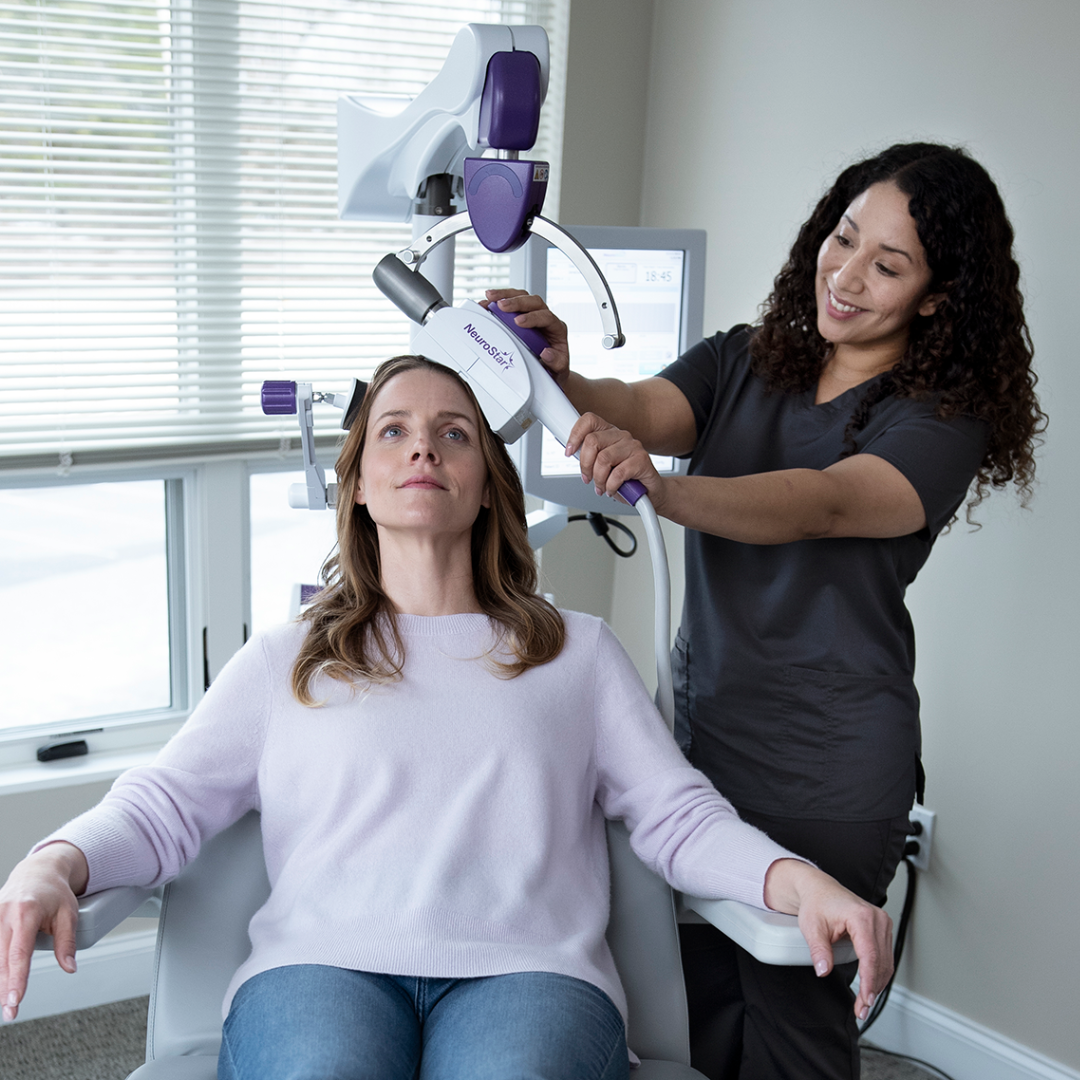
Men seeking help may find relief from medication and/or talk therapy. Transcranial Magnetic Stimulation (TMS) Therapy is another option for those seeking an FDA-cleared, non-drug, non-systemic treatment. If you or a loved one are struggling, reach out to us to
schedule your free consultation.

Take our short quiz to see if TMS therapy or nasal esketamine could be right for you
Subscribe for mental health, self-care, and TMS therapy and nasal esketamine updates for those affected by treatment-resistant depression or OCD.
By providing your email address, you are consenting to receive blog updates from Greenbrook TMS Inc. You may unsubscribe from these alerts at any time by following the “unsubscribe” link at the bottom of email alerts. At Greenbrook TMS Inc. we take the privacy and security of your personal information seriously. To learn more about how we protect your personal information, please refer to our Privacy Policy.

Greenbrook supports an accessible internet. If you have any questions about our accessibility features, please contact us at
(855) 940-4867 or info@greenbrooktms.com.